Growth vs value shares


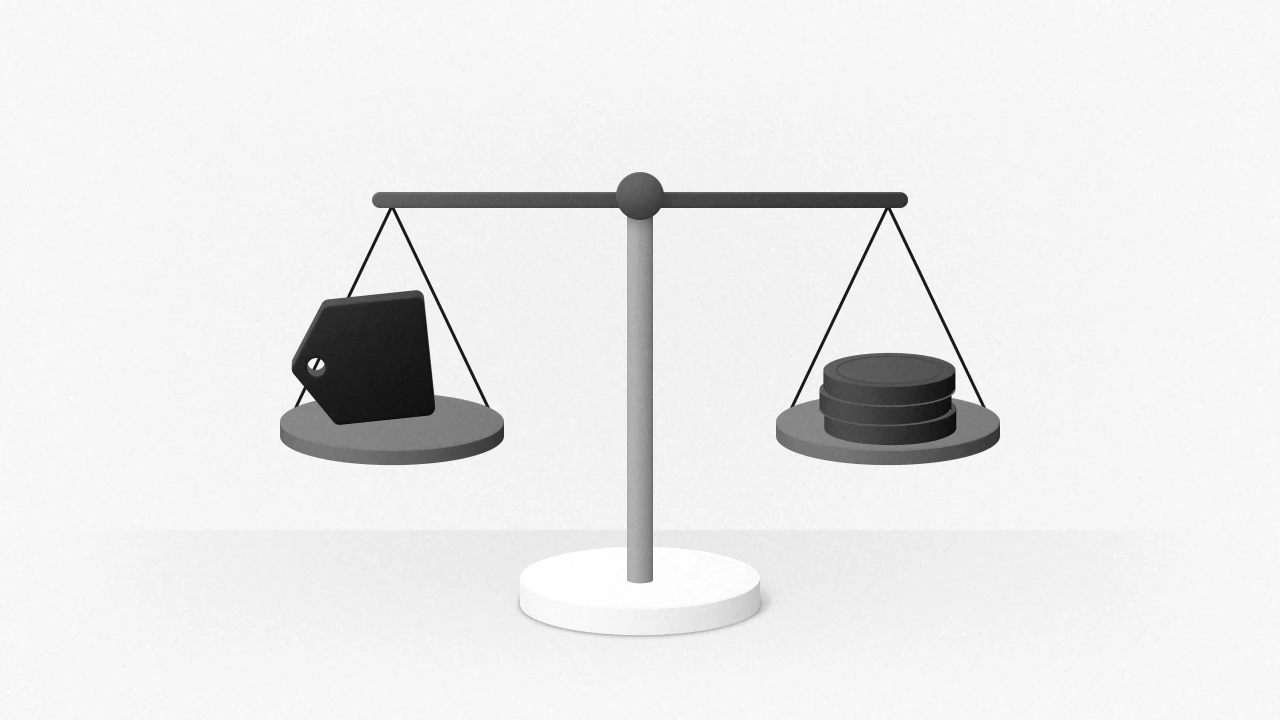
Some shares are bought for what the company may become, others for what it is worth today. Two styles, two kinds of risk.

Key takeaways
- Growth shares trade on fast-rising sales and profits that lie in the future.
- Value shares trade cheaply against today's profits, assets or dividends.
- Each style leads for years at a time; nobody reliably calls the turn.
Two ways to be worth buying#
A growth company reinvests everything to get bigger: its profits today are small beside its price. A value company is priced low against what it already earns, often because its industry is unloved or slow.
| Growth | Value | |
|---|---|---|
| Typical sectors | Software, chips, biotech | Banks, energy, insurers, food and household goods |
| P/E ratio | High | Low |
| Dividend | Small or none | Often substantial |
| Sensitive to | Interest rates and disappointments | The economic cycle |
How each one goes wrong#
A growth share is priced for years of success, so one weak quarter can cut it by a third. A value share may be cheap for a reason: a business in slow decline stays cheap all the way down, which investors call a value trap.
Interest rates tip the balance#
Profits far in the future are worth less today when interest rates are high. That is why growth shares fell hardest when rates rose sharply in 2022, and why they led during the years of near-zero rates before it.
You don't have to choose#
Most long-term investors hold both. The two styles take turns, and owning each means part of your portfolio is usually in favour.