Stock splits, explained


When a company splits its shares you own more of them, each worth less. Nothing about the company changes, yet the price often moves.

Key takeaways
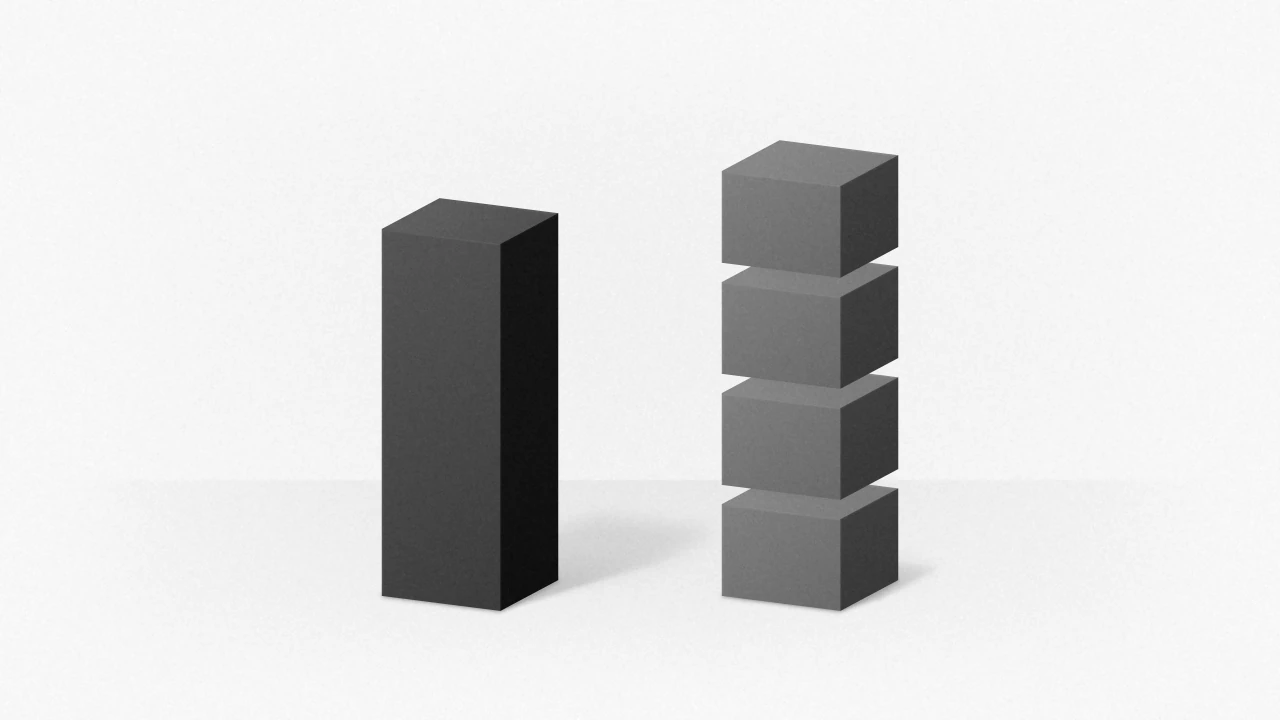
- A split multiplies the number of shares and divides the price by the same factor.
- Your holding is worth exactly the same the moment after as the moment before.
- A reverse split does the opposite and is usually a sign of weakness.
The arithmetic#
In a 10-for-1 split every share becomes ten, and the price falls to a tenth. Ten shares at €1,200 become a hundred at €120. The company's value, its profits and your slice of both are unchanged.
| Before | After a 10-for-1 split | |
|---|---|---|
| Shares you hold | 10 | 100 |
| Price per share | €1,200 | €120 |
| Value of your holding | €12,000 | €12,000 |
Why companies do it#
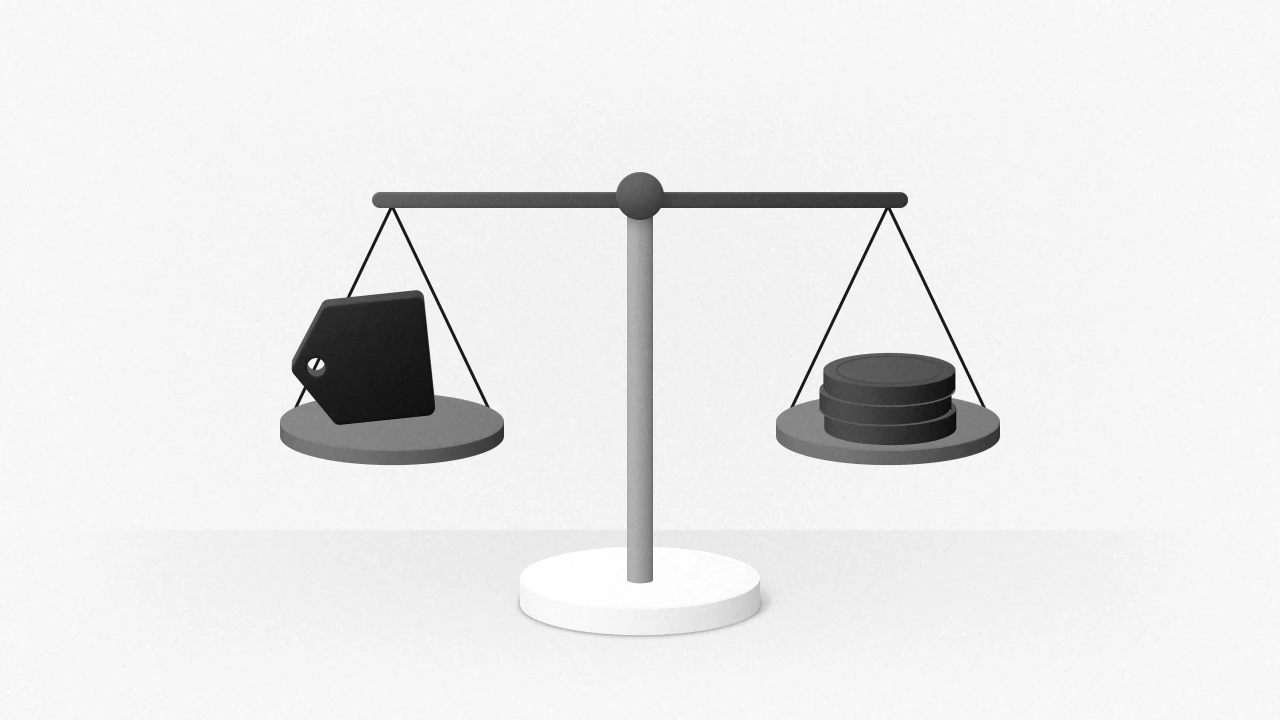
A very high share price puts off small investors and makes staff share plans awkward. A split brings the price back to a familiar range. Nvidia split 10-for-1 in 2024, and Apple has split five times since it listed.
Why the price can still move#
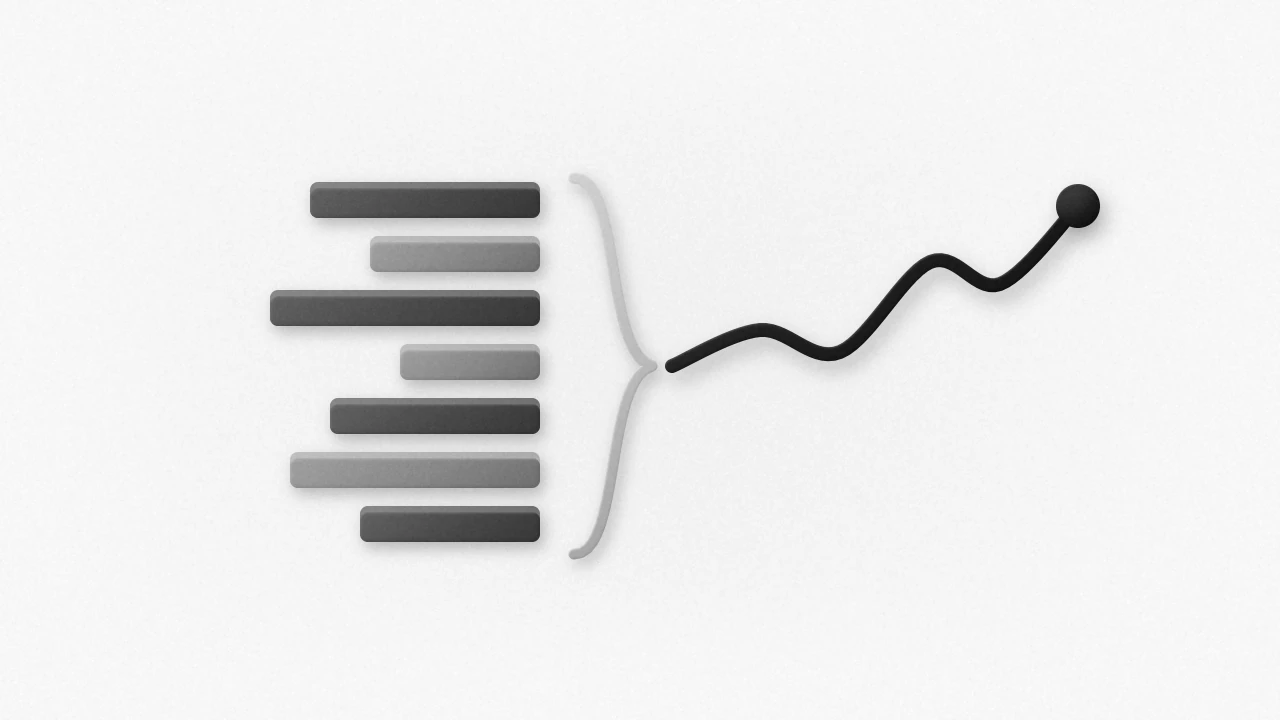
A split is usually announced after a long rise, by a confident management, so it arrives with good news. The lower price can also draw in new buyers. Neither changes what the business earns, and the lift tends to fade.
Reverse splits#
In a reverse split several shares are merged into one to lift a price that has fallen very low, often to stay listed on an exchange. It doesn't repair the business, and such shares frequently keep falling.
When you can buy a fraction of a share, a high share price matters less: €10 buys a piece of any share, whatever a whole one costs.