Support and resistance


Prices often stall at the same levels again and again. Why that happens, how to find those levels and how far to trust them.
Key takeaways
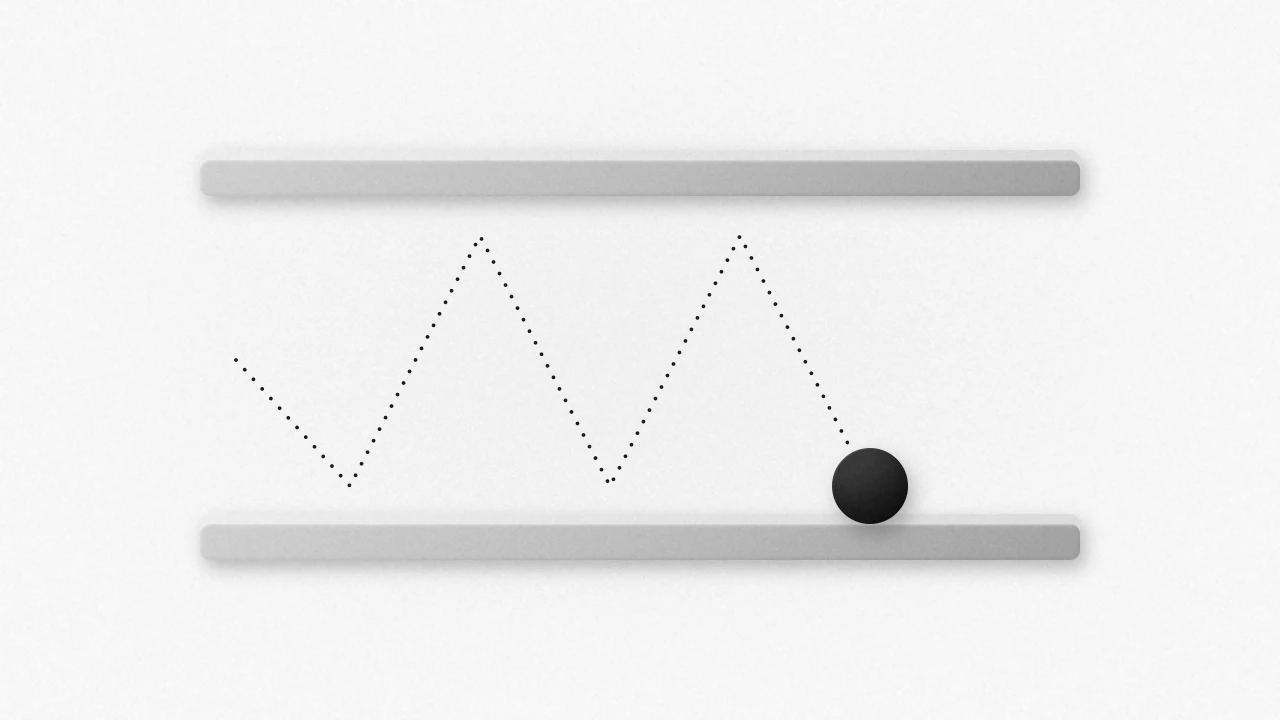
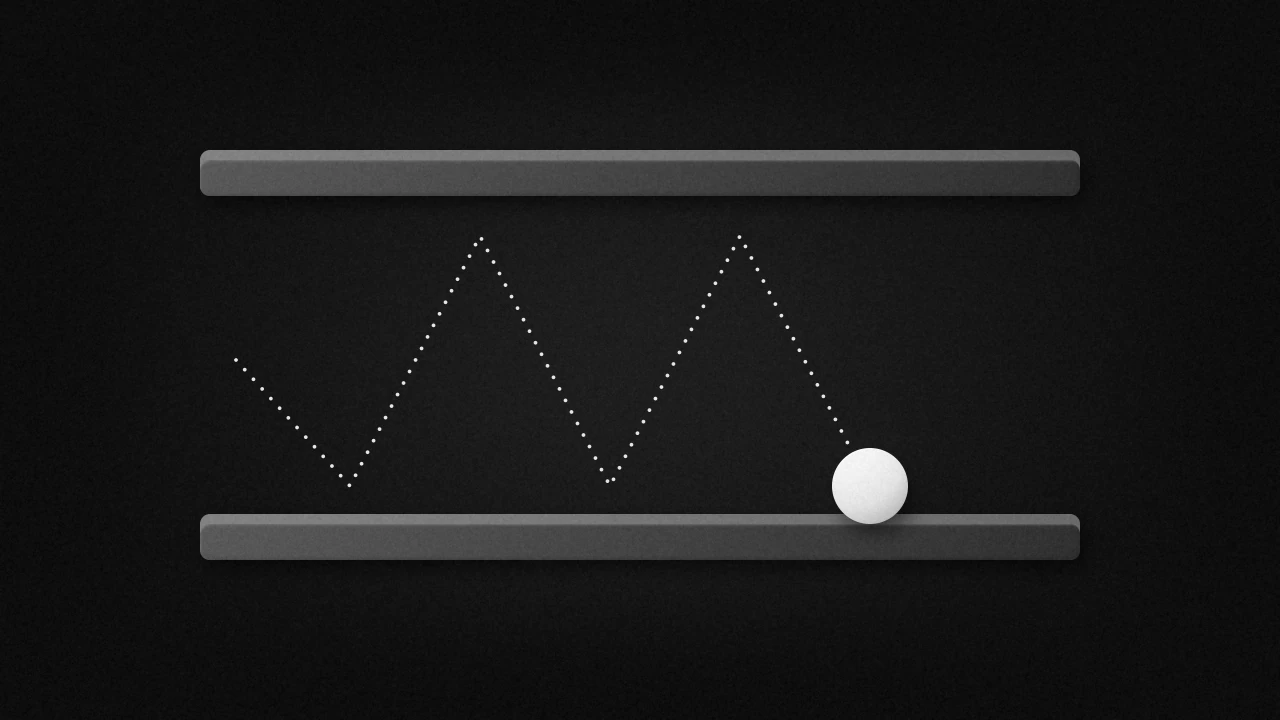
- Support is a level where buying has repeatedly stopped a fall.
- Resistance is a level where selling has repeatedly stopped a rise.
- Once broken, a level often swaps roles: old resistance becomes support.
Memory in a price#
Markets remember. Traders who bought at €100 and saw the price fall are relieved to sell when it returns to €100. Others who missed a bounce from €80 wait to buy there next time. Enough such decisions and a level starts to act like a floor or a ceiling.
Finding the levels#
- Earlier highs and lows where the price turned more than once.
- Round numbers: €100, €50,000, 1.2000.
- Areas of heavy past trading, visible as volume on a chart.
- The more often a level has held, and the longer the period it comes from, the more it counts.
When a level breaks#
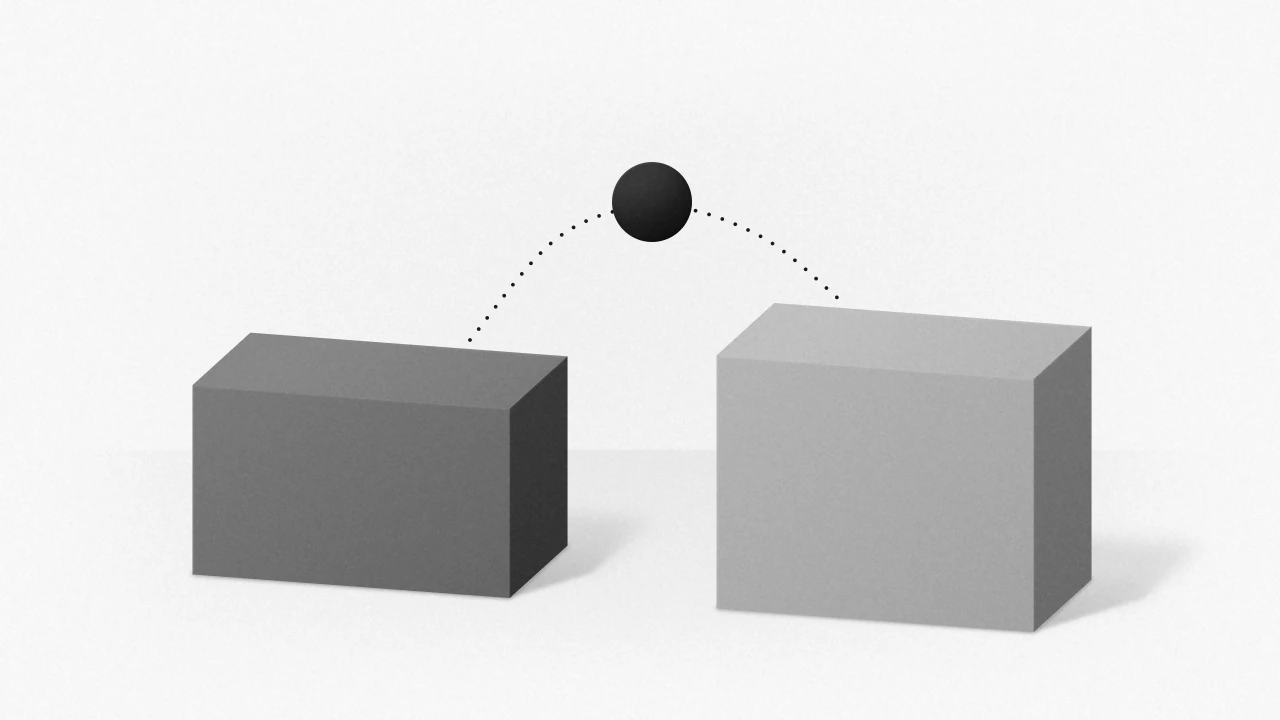
A level that gives way often changes sides. The sellers who defended €100 are gone once the price trades above it, and buyers who missed the move now wait there. So a broken resistance frequently becomes the next support.
False breaks#
Prices often poke through a level, trigger the orders waiting there and snap back. Traders look for confirmation before trusting a break: a close beyond the level, not just a spike, and more volume than usual.
How to use them#
| Use | How |
|---|---|
| Entries | Buy near support rather than in the middle of a range |
| Stops | Place a stop a little beyond the level, where your idea is proven wrong |
| Targets | Take profit ahead of the next resistance |
These levels are zones, not lines, and they describe habits, not laws. They fail most often when news changes what an asset is worth.