Inflation: what it does to your savings
Reirex LearnPublished Oct 15, 20262 min read


Prices rise a little every year, so money that sits still buys a little less. What inflation is and how investors respond to it.
Key takeaways
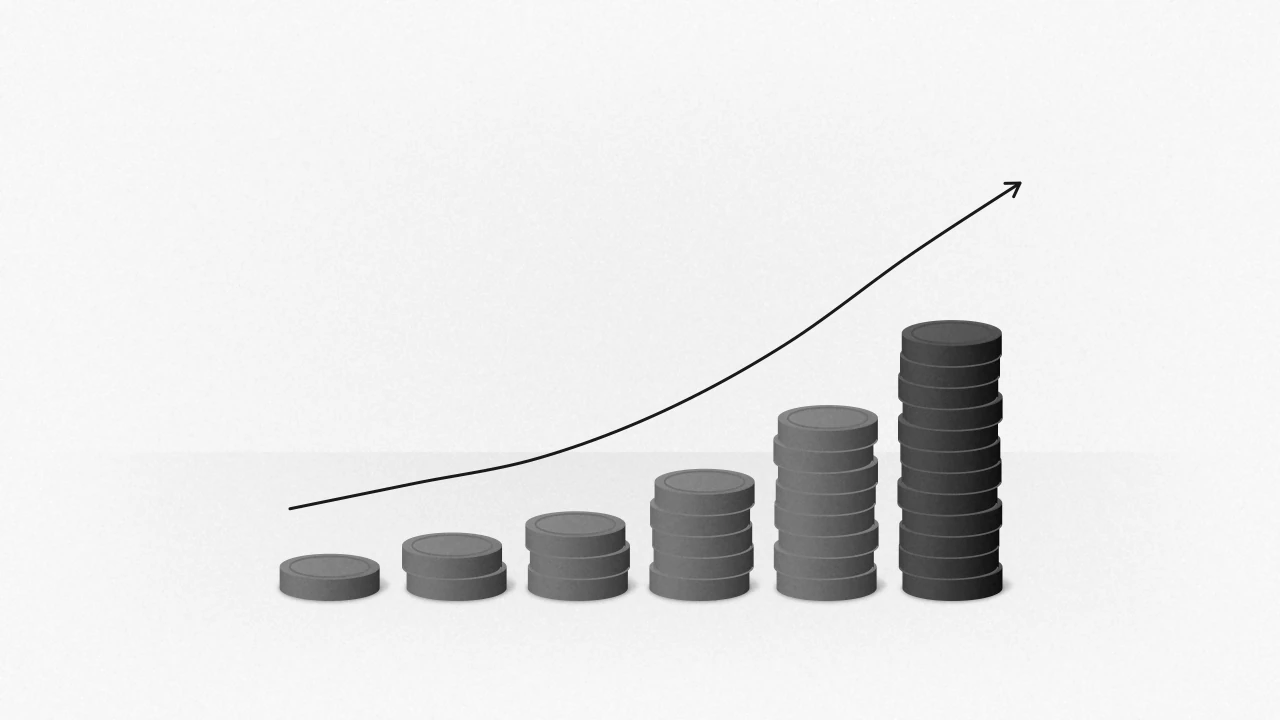
- At 3 % inflation, €10,000 buys in ten years what about €7,400 buys today.
- Cash is safe from price swings, not from inflation.
- Over long periods shares and gold have kept pace with prices; over short ones they may not.
What inflation is#
Inflation is the rate at which the general level of prices rises. Central banks such as the European Central Bank aim for about 2 % a year: enough to keep an economy moving, low enough that people barely notice from month to month.
The slow loss#
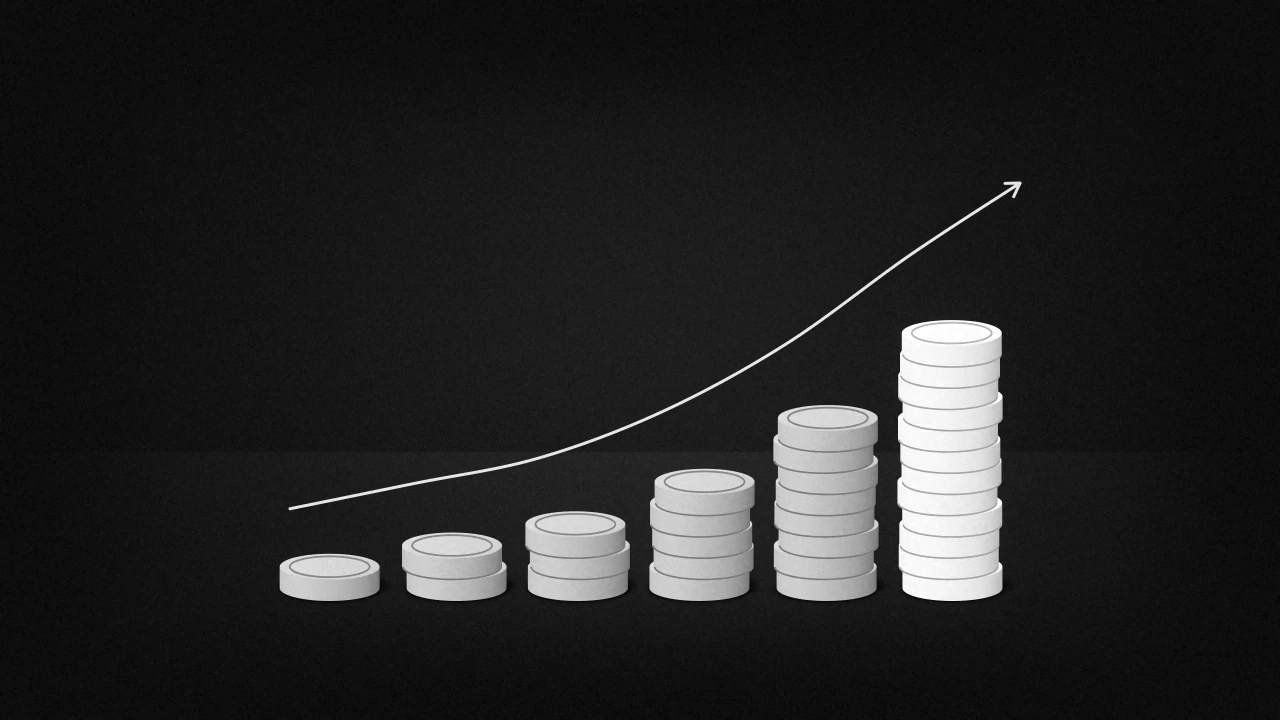
The effect is invisible on a bank statement: the number stays the same while what it buys shrinks.
| Inflation | What €10,000 buys after 10 years | After 20 years |
|---|---|---|
| 2 % | €8,200 | €6,730 |
| 3 % | €7,440 | €5,540 |
| 5 % | €6,140 | €3,770 |
Interest against inflation#
What matters is the real return: the interest you earn minus inflation. A savings account paying 2 % while prices rise 3 % loses about 1 % of its buying power each year.
How investors respond#
- Shares: companies can raise their prices, so profits tend to grow with inflation over time.
- Gold: often bought when trust in money weakens, though it can lag for years.
- Bitcoin: its supply is fixed, which is why some hold it for the same reason; its price is far more volatile.
- Cash: still the right place for money you need soon.
None of these follows inflation year by year. They are long-term answers, and each brings its own risk.