Network fees and gas, explained


Every blockchain transaction pays a fee to the network that processes it. Why fees change by the minute and how to pay less.


Key takeaways
- A network fee goes to the miners or validators, not to the exchange.
- Fees rise when many people want to transact at once.
- The same coin can cost very different amounts to send on different networks.
Why there is a fee at all#
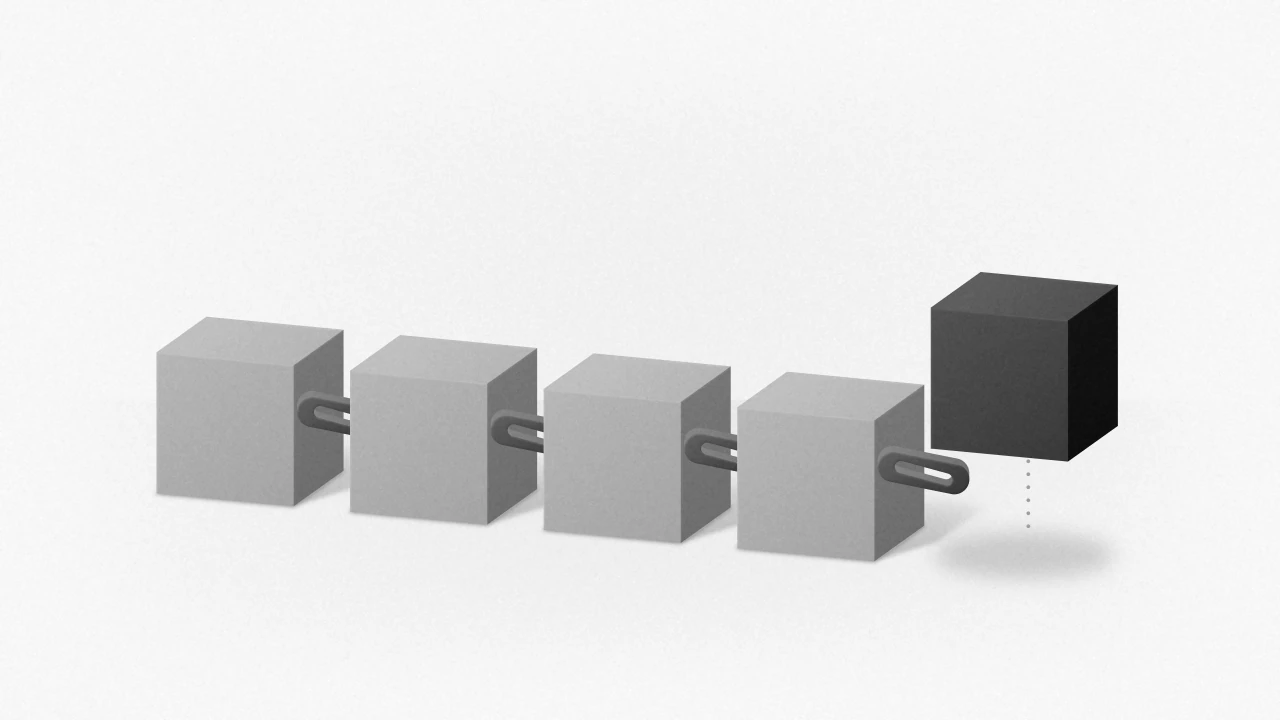
Each block has room for a limited number of transactions. The fee is how users bid for that room, and it pays the miners or validators who keep the network running. It also makes flooding the network with junk expensive.
Gas on Ethereum#
Ethereum measures the work a transaction needs in units called gas. A simple transfer needs 21,000 units; a swap on a decentralised exchange needs several times more. The price of each unit rises and falls with demand, so the same transfer can cost cents on a quiet Sunday and many euros in a rush.
Fees on Bitcoin#
Bitcoin fees depend on the size of the transaction in bytes, not on the amount sent. Moving €50 costs the same as moving €5 million. When blocks are full, the transactions that pay more are confirmed first.
One coin, several networks#
| Sending a stablecoin on | Fee | Good to know |
|---|---|---|
| Ethereum | Varies widely with demand | The most widely supported network |
| Tron | Usually lower than Ethereum | Popular for USDT transfers |
| Layer 2 networks | Usually a few cents | Not every wallet or exchange supports them |
Paying less#
- Choose the network before you send: the receiving address must be on the same one.
- Send when the network is quiet, often at night or at the weekend.
- Combine several small transfers into one.
Coins sent on a network the receiving wallet doesn't support can be lost. Check the network on both sides before you confirm.
Swapping one coin for another inside your Reirex account doesn't touch the blockchain, so no network fee applies.