What is a blockchain?


A blockchain is a shared record that thousands of computers keep in step, so no single one of them can change it.
Key takeaways
- A blockchain is a ledger copied across many computers.
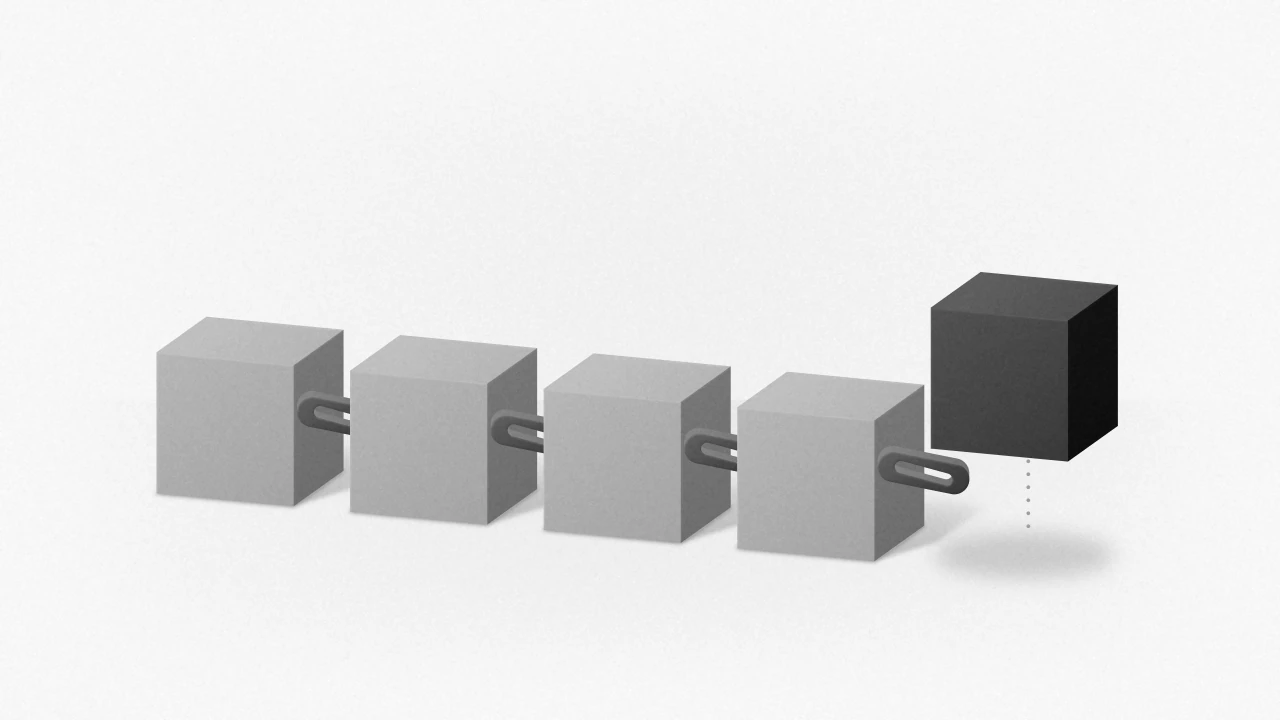
- Each block is locked to the one before it, so history can't be quietly rewritten.
- It lets strangers agree on who owns what without a bank in the middle.
A ledger everyone can check#
A bank keeps its ledger on its own computers and you trust it to be right. A blockchain publishes the ledger instead. Thousands of computers, called nodes, each hold a full copy and check every new entry against the rules.
Blocks and the chain#
Transactions are gathered into a block. Each block carries a fingerprint, called a hash, of the block before it. Change one old transaction and its block's fingerprint changes, which breaks every block after it. To rewrite history you would have to redo all of that work faster than the rest of the network adds to it.
Who adds the next block#
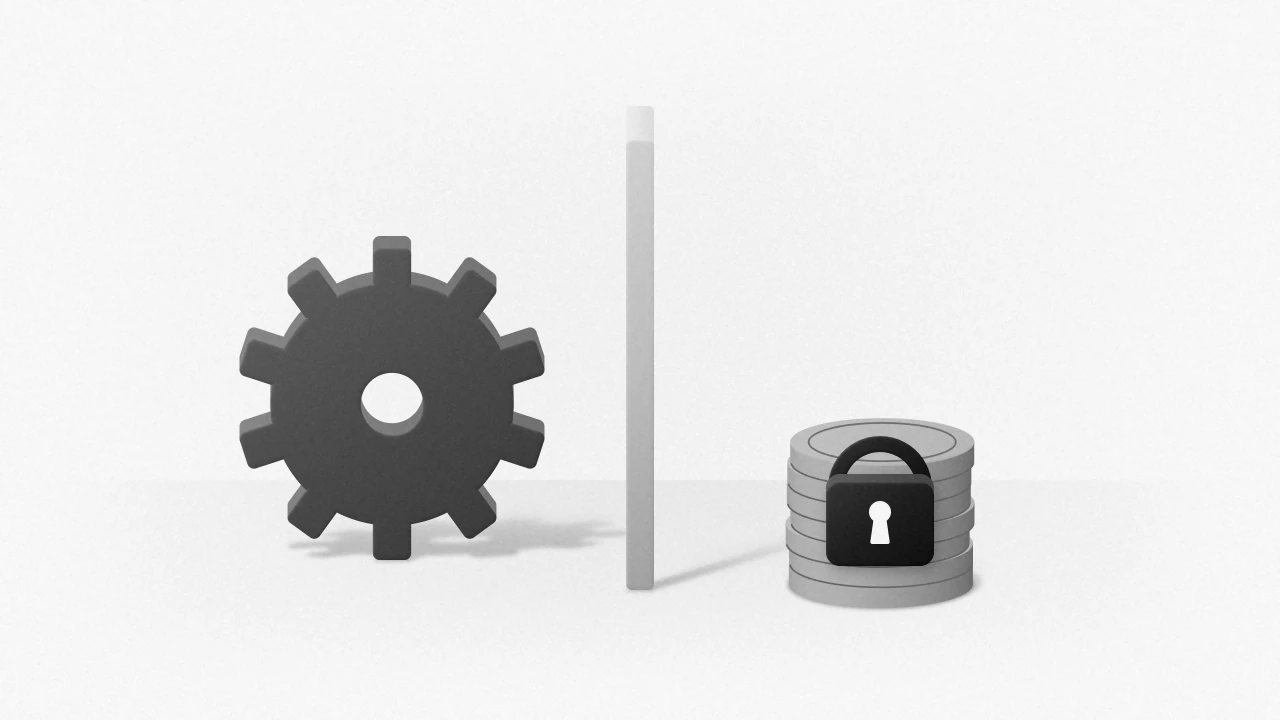
The network needs a way to pick whose block comes next. Bitcoin uses proof of work: computers compete to solve a puzzle. Ethereum uses proof of stake: holders lock up coins and are chosen to propose blocks. Both make cheating far more expensive than playing fair.
What it's good for, and what not#
- Moving value between people who don't know each other, at any hour.
- Records that must not be altered afterwards.
- Not speed: a public blockchain handles far fewer transactions a second than a card network.
- Not privacy by default: on most chains every transaction is public.
A blockchain secures the record, not the people. If you send coins to the wrong address or hand over your keys, the chain will faithfully record the mistake.