Proof of work vs proof of stake


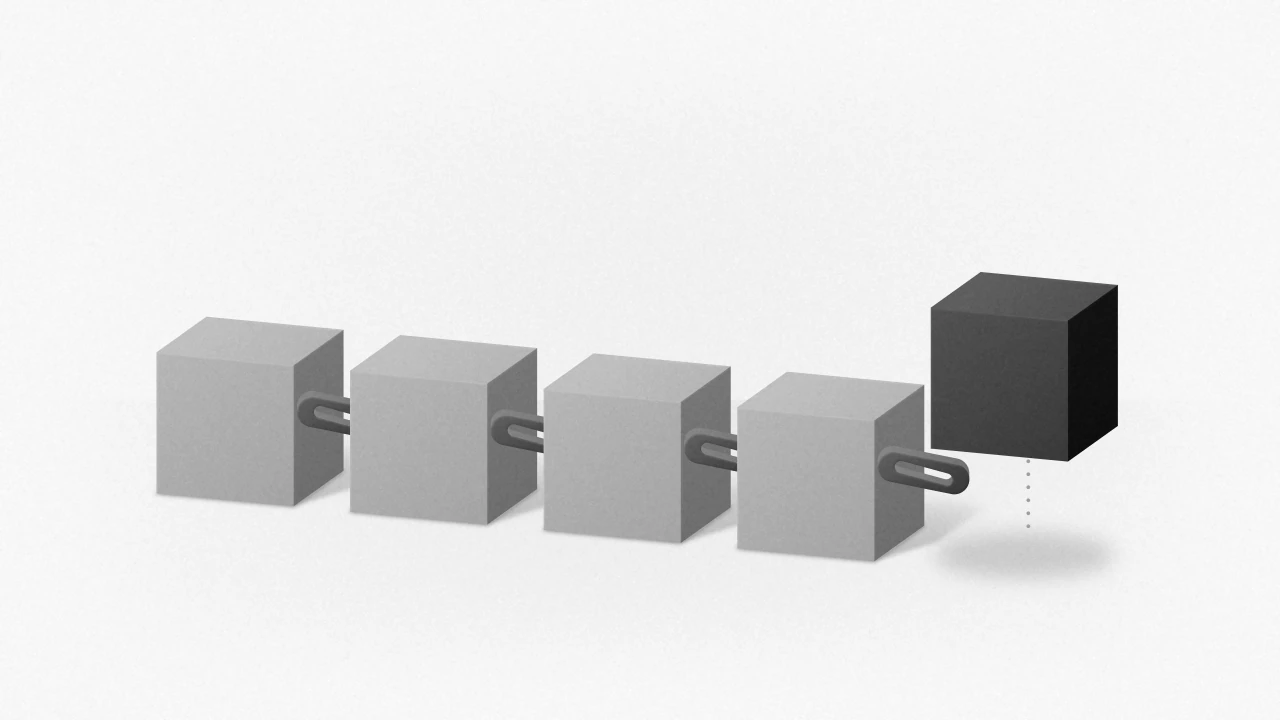
Every blockchain needs a way to decide who adds the next block. The two main answers: spend energy, or put coins at risk.


Key takeaways
- Proof of work secures a network with computing power and electricity.
- Proof of stake secures it with coins locked up as a deposit.
- Bitcoin uses proof of work; Ethereum switched to proof of stake in 2022.
The problem both solve#
A public network has no manager to approve transactions. It needs a rule that makes honest behaviour pay and cheating cost, without knowing who anyone is.
Proof of work#
Miners run machines that guess numbers until one produces a valid block. The winner earns new coins and the fees. Attacking the network would mean out-computing everyone else combined, which costs more in hardware and electricity than it could earn.
Proof of stake#
Validators lock up coins as a stake. The network picks among them to propose and confirm blocks, and pays them a reward. A validator who cheats loses part of the stake, a penalty known as slashing.
| Proof of work | Proof of stake | |
|---|---|---|
| Secured by | Computing power | Locked-up coins |
| Energy use | High | Very low |
| Who takes part | Miners with hardware | Holders who stake |
| Reward | New coins and fees | New coins and fees |
| Examples | Bitcoin, Litecoin, Dogecoin | Ethereum, Solana, Cardano |
Which is better?#
They trade different things. Proof of work has the longer record and ties security to a real-world cost. Proof of stake uses a tiny fraction of the energy: Ethereum's switch cut its consumption by more than 99 %. In return it gives more influence to those who already hold the most coins. For an investor the practical difference is that staked coins can earn rewards, while mining needs machines.