What is staking?
Reirex LearnPublished Oct 22, 20262 min read


Staking means locking coins to help secure a proof-of-stake network, and earning new coins in return. How it works and what it costs you.
Key takeaways
- Staking rewards are paid in the coin itself, not in euros.
- Staked coins can be locked: you may have to wait before you can sell.
- A 5 % reward doesn't help if the coin's price falls 30 %.
Where the reward comes from#
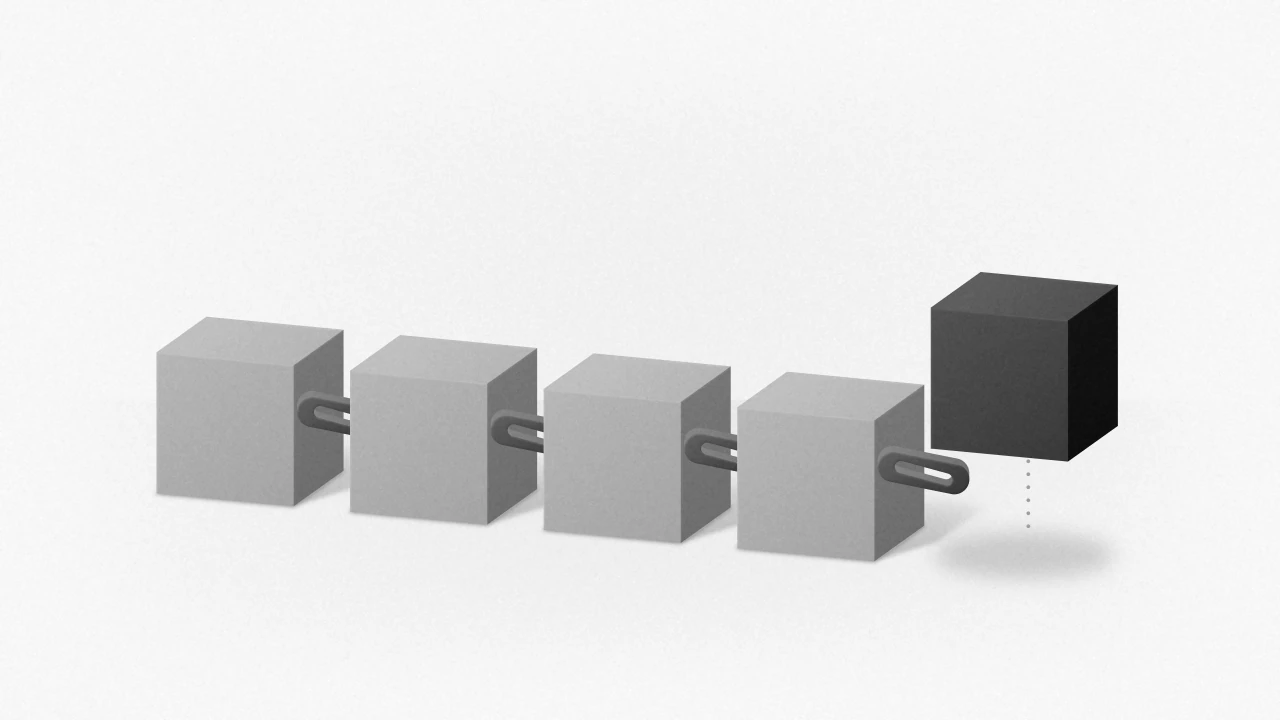
Proof-of-stake networks such as Ethereum, Solana and Cardano are run by validators who lock up coins as a deposit. The network pays them newly issued coins and a share of the fees. When you stake, you lend your coins to that process and receive part of the reward.
Ways to stake#
| Way | What you need | Trade-off |
|---|---|---|
| Run a validator | Technical skill and a large stake (32 ETH on Ethereum) | Full reward, full responsibility |
| Delegate from your wallet | A wallet and a validator you choose | You depend on that validator's conduct |
| Through a platform | An account | Simplest; the platform keeps a share |
What it costs#
- Lock-up: leaving a stake can take from days to weeks, depending on the network.
- Price risk: rewards are paid in the coin, and its price can fall by more than you earn.
- Slashing: a validator that breaks the rules loses part of the stake, and so can those who delegated to it.
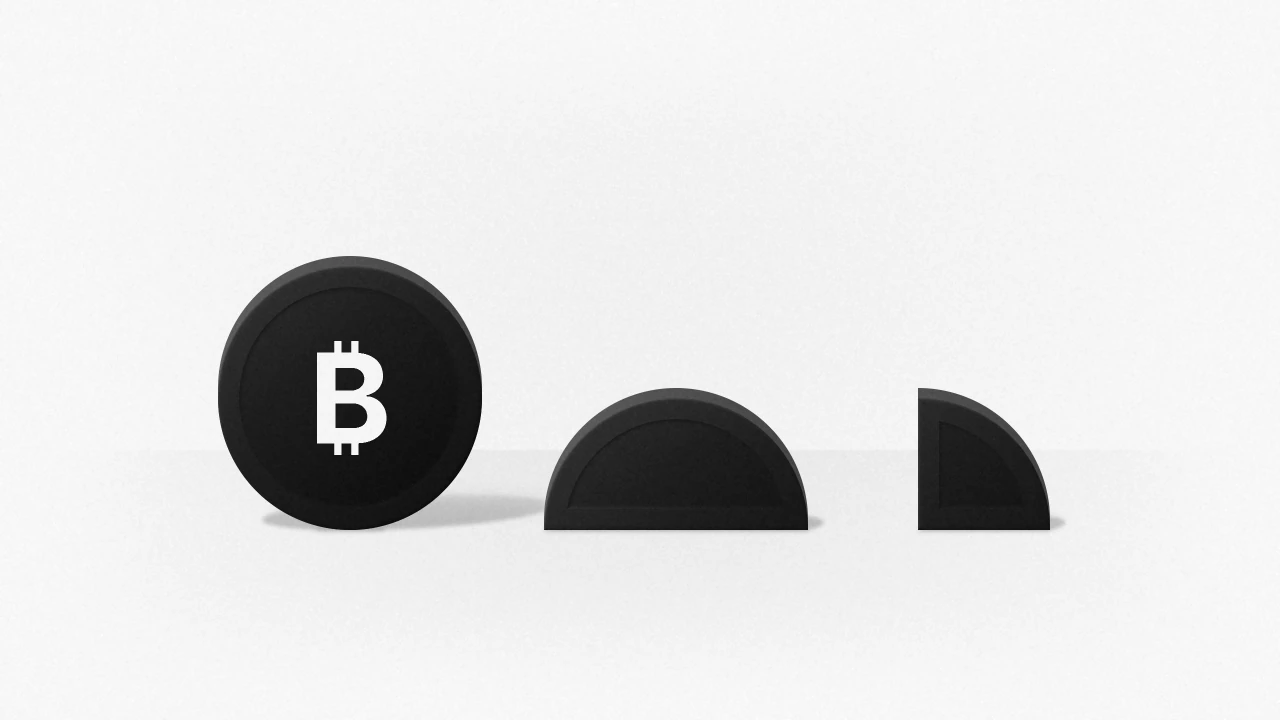
- Dilution: new coins are created to pay rewards, so not staking means owning a slowly shrinking share.
Reading the rate#
A reward rate is quoted per year and is not fixed: it falls as more coins are staked. Compare it with the coin's own swings. Staking is a way to earn a little more on a coin you already wanted to hold for years, not a reason to buy one.
Staking rewards may be taxed as income where you live. Keep a record of what you receive and when.